Digital Arrest Scams in India: Legal Truths and How to Stay Safe
Your phone rings. A calm voice says your number is linked to a crime. Within minutes, you’re on a video call with someone claiming to be a police officer. You’re told not to disconnect. The panic sets in, and before you realise, your money is gone.
This is how digital arrest scams work these days. They trick people by using fear, control, and time. These kinds of scams have already cost India more than ₹54,000 crore between 2021 and 2025. These scams are getting worse day by day, and a lot of people are still not aware of how real they can feel.
What Are Digital Arrest Scams?
Digital arrest scams are a type of cyber extortion in which scammers pretend to be police or government agents. People who are victims are blamed for a crime and told they need to pay right away.
The term “digital arrest” is made to sound official, but it has no legal meaning in India. No law allows an arrest over a phone or video call.
In reality, arrests are carried out physically with proper procedure, documents, and safeguards.
Why More People Are Falling for Digital Arrest Scams in India?
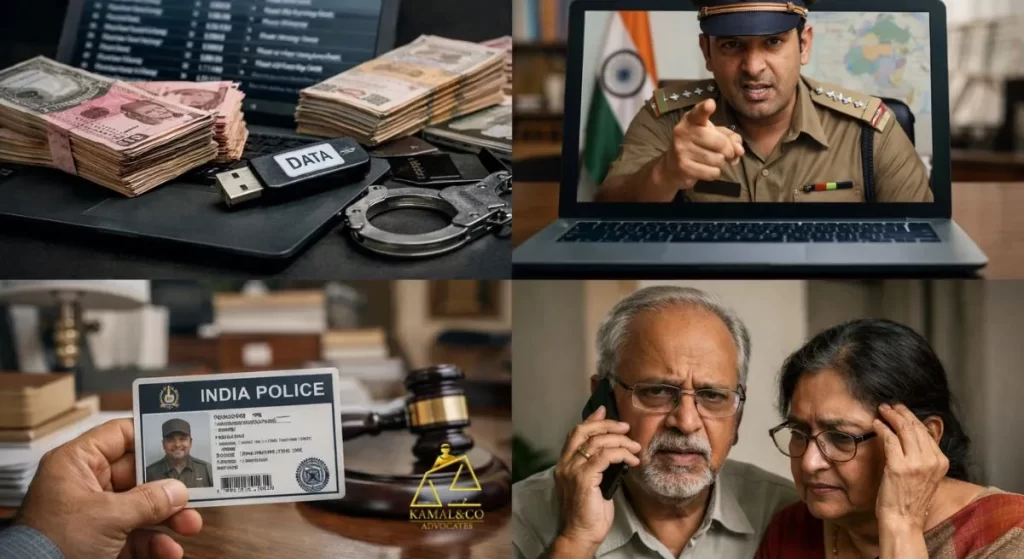
There are a few factors that cause the digital arrest in India.
Easy Access to Personal Data
Phone numbers, emails, and identity details are often leaked or sold. This gives scammers a direct entry point.
High Trust in Authority
When someone says that they are from the police or a government agency, questions are rarely asked at first. That trust is used against the victim.
In such situations, speaking with a criminal lawyer can help clarify whether the threat is real and what the law actually allows.
Use of Technology
Scams now look real because of:
- Video calls.
- Fake ID cards.
- Background that resembles offices or courts.
Targeting Vulnerable People
older people and those unfamiliar with legal processes are often scammed. Fear works faster where there is less awareness.
How Digital Arrest Scams Work in Real Life?
The process often begins with a simple phone or video call. An issue is identified regarding the SIM card, parcel, or bank activity. Once the call is continued, pressure is slowly increased.
Step 1: The Setup
A problem is explained to start the conversation with the victim.
Step 2: The Accusation
It is said that your identity is linked to a crime or an illegal activity. After that, the call is then “transferred” to a fake senior officer.
Step 3: Control and Isolation
You may be asked to stay on a video call and avoid speaking to others. This creates isolation. You will be under constant monitoring with a strict tone and threats. Some victims remain on calls for hours or days.
Step 4: Payment Demand
Then, money is asked in different ways, like:
- Verification fee.
- Security deposit.
- Bail amount.
Lawyer’s Perspective: What the Law Actually Says?
From a legal point of view, “digital arrest” is not recognised in India. There is no such concept that exists under the Indian law.
Under the Bharatiya Nyaya Sanhita (BNS) and the Bharatiya Nagarik Suraksha Sanhita (BNSS), an arrest must be carried out physically, with proper documents and legal protection. A police officer cannot arrest someone over the phone.
Also, these kinds of scams are seen as serious crimes, like:
- Cheating.
- Impersonation.
- Extortion.
They are also covered by the IT Act’s cybercrime offences, which means the fraud is committed digitally.
Courts in India have started taking these cases very seriously. Authorities have also recognised that these scams are organised and often involve multiple people working together.
What to Do If You Receive a Digital Arrest Scam Call?
If you receive such a call, try to be as calm as possible. Fear is what scammers rely on. You should:
- Disconnect the call immediately.
- Personal details should not be shared.
- Money should not be transferred.
If you’re still not sure, official websites like the police or government websites can be checked for more information.
The Cybercrime Reporting Portal of India handles cases like this quickly. You can file a complaint there.
Behind the Scenes Of Digital Arrest Scams
These scams are planned carefully, and a script is used to control how people respond and force them to make quick choices.
- Sound effects in the background: The scammers use police radio noise and typing sounds to make the scene feel real.
- The good cop, bad cop method involves keeping one caller calm while making the “senior officer” angry to put more pressure on the other.
- Fast money movement: Funds are shifted through mule accounts or crypto within minutes.
What Should You Do If You Are A Victim of a Digital Arrest Scam?
If such a call comes in, your quick action will help.
- Disconnect the call immediately: No real agency asks for video “verification.”
- Check details through the official channels, like the Sanchar Saathi portal or e-Courts Services Portal.
- Call 1930 and report the incident without delay.
The faster it is reported, the better the chances of stopping further damage.
Legal Tip: If you’ve transferred money, act during the “Golden Hour.” Call 1930 within two hours. You have a better chance of getting your money back if you freeze the scammer’s account quickly in 2026, when banks can connect to I4C more quickly.
You can also learn more about your legal protections by reading Cybercrime Laws in India: Know Your Rights & Steps.
Digital Arrest Scams: Final Thoughts from a Legal Lens
Digital arrest scams are still going strong. They are getting stronger, more organised, and more harmful. Recent cases of large-scale scams show how easy it is to use fear to make people do what you want and get money from them.
The key is awareness. Once the pattern is understood, the scam loses its impact.
If you ever need legal help in such situations, companies like Kamal and Co. Advocates can help you understand your rights and guide you to the next steps without confusion.