Understanding Legal Grounds for Divorce in India
Divorce is the formal dissolution of marriage through a court order after following a structured legal process.
The grounds for divorce in India vary based on religion, personal laws, and civil statutes.
India’s diverse culture recognises different Acts governing marriage and divorce, depending on the community.
Additionally, the Special Marriage Act, 1954 provides a uniform framework for individuals of any religion.
Understanding these legal grounds for divorce and procedures is crucial for anyone navigating the divorce process in India.
Types of Divorce in India
Broadly, divorce in India can be classified into two types:
Divorce by Mutual Consent
This occurs when both spouses agree to separate amicably and file a joint petition.
Contested Divorce
In this case, one partner initiates the divorce process, and the other contests it, requiring a legal examination of facts and grounds.
Transitioning through the legal landscape becomes easier when you know the grounds for divorce in India, as different Acts lay down specific reasons that justify a marriage dissolution.
Grounds for Divorce Under Different Personal Laws
Hindu Marriage Act, 1955
Applicable to Hindus, Buddhists, Jains, and Sikhs, Section 13 of the Act lists the following grounds for divorce:
Adultery – One party engages in voluntary sexual intercourse with another person.
Cruelty – Physical or mental cruelty towards the petitioner.
Desertion – Abandoning the spouse for two or more years.
Conversion – One partner converting to another religion.
Mental Disorder / Unsound Mind – Severe psychological issues.
Venereal Disease – Communicable venereal diseases.
Renunciation – Entering a religious order and renouncing worldly life.
Not Heard Alive – Absence for seven years or more without communication.
Additionally, only the wife can seek divorce on grounds such as:
Husband’s remarriage during the subsistence of marriage.
Acts like rape, bestiality, or sodomy.
Non-cohabitation after maintenance order.
Marriage solemnised before the age of fifteen.
Dissolution of Muslim Marriage Act, 1939
This Act governs Muslim marriages and provides grounds for divorce under Section 2:
Husband missing for four years.
Neglect of maintenance for two years.
Imprisonment for seven years or more.
Failure to perform marital obligations for three years.
Impotency at marriage and continuing thereafter.
Mental illness for two years or venereal diseases.
Cruelty, especially when the marriage is unconsummated.
Indian Divorce Act, 1869
Applicable to Christians, Section 10 allows divorce for:
Adultery.
Conversion from Christianity.
Unsound mind for two or more years.
Venereal disease.
Absence for seven or more years.
Wilful refusal to consummate marriage.
Non-compliance with restitution orders.
Desertion for two or more years.
Cruelty.
Additionally, women may file for divorce in cases of rape, sodomy, or bestiality.
Parsi Marriage and Divorce Act, 1936
This Act applies to Parsis and Zoroastrians. Section 32 provides grounds including:
Wilful refusal to consummate within a year.
Mental unsoundness.
Pregnancy by another man at the time of marriage.
Adultery, fornication, or unnatural offences.
Inflicting grievous hurt or venereal disease.
Imprisonment for seven or more years.
Desertion for two years.
Lack of marital intercourse post-maintenance decree.
Conversion to another religion.
Special Marriage Act, 1954
This Act offers a secular route for all citizens, with grounds under Section 27 such as:
Voluntary intercourse with another person.
Desertion for two or more years.
Imprisonment for seven years or more.
Cruelty by the spouse.
Unsound mind or mental disorder.
Absence for seven years.
Acts of rape, sodomy, or bestiality.
Comparative Overview: Grounds for Divorce Across Religions
| Law | Major Grounds | Minimum Separation Period | Gender-Specific Provision |
|---|---|---|---|
| Hindu Marriage Act | Adultery, Cruelty, Desertion | 2 years | Yes |
| Muslim Marriage Act | Neglect, Cruelty, Absence | 4 years | Yes |
| Special Marriage Act | Adultery, Imprisonment | 2 years | No |
Common Grounds Across Religions
Despite differences in personal laws, certain grounds for divorce in India are commonly accepted:
Adultery
Cruelty
Desertion
Unsound mind or mental disorder
Venereal diseases
Imprisonment
Non-consummation
Conversion to another religion
These grounds form the backbone of the legal framework governing marriage dissolution in India.
Why Understanding Grounds for Divorce in India Matters
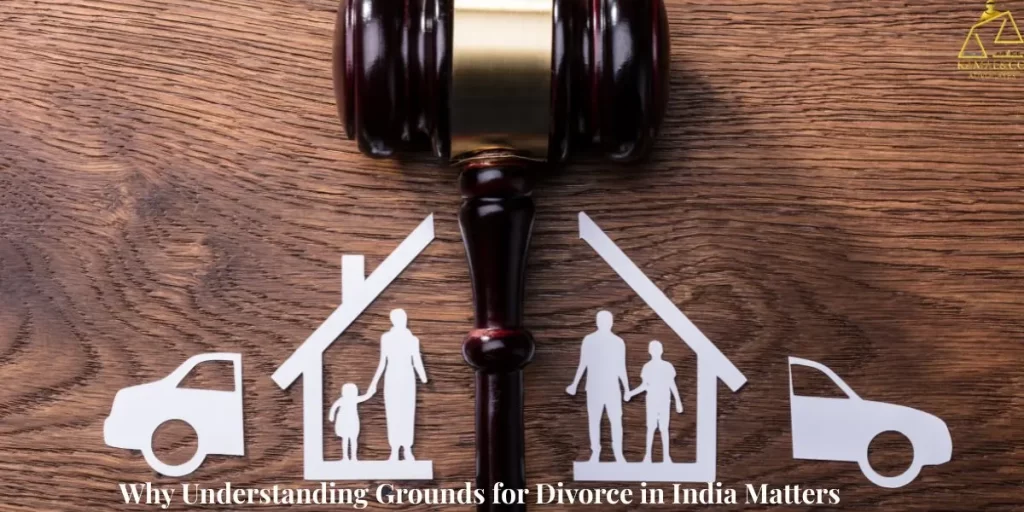
Navigating the divorce process in India requires more than just knowing the grounds. Each Act has distinct procedures, filing requirements, and evidentiary standards. Therefore, before initiating the process, it’s essential to:
Review the applicable personal law or civil statute.
Understand specific conditions and documentation needed.
Consult a qualified legal expert for guidance.
By staying informed about these legal requirements for divorce, you can ensure that your case proceeds smoothly and you protect your rights effectively.
Conclusion
The reason for divorce are diverse and rooted in personal laws shaped by religion and civil regulations.
Whether filing under the Hindu Marriage Act, Muslim Marriage Act, or Special Marriage Act, understanding these provisions can help individuals make informed decisions about marriage dissolution.
If you are considering divorce, seek expert legal advice and educate yourself about the specific grounds applicable to your case to move forward confidently.